-

Invited seminar for the Maimonides Centre for Advanced Studies Reading morning, 22nd November 2023 at the Institut für Jüdische Philosophie und Religion, Hamburg Universität, Hamburg, Germany. Walter Benjamin, Theory of Experience In the years between 1913-1916 Benjamin develops a first shape of his Theory of Experience, strictly related to both his Theory of Language (On…
-
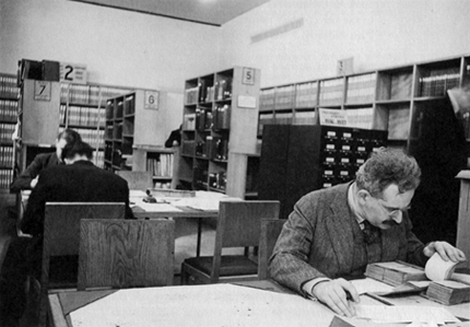
Maimonides Centre for Advanced Studies’ Internal Workshop, 8-9th November 2023 The concept of experience (Erfahrung) was one of the first theoretical efforts made by the young Walter Benjamin during his years of cultural activism in the German Youth Movement. In 1913, he started his reflections with a Platonic distinction between “experience” and the ideal dimension,…
-
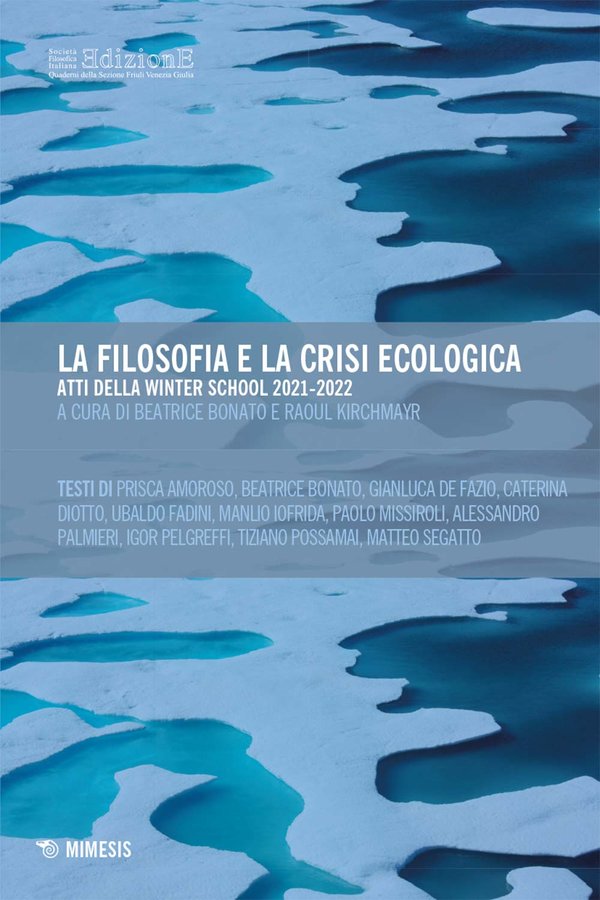
La questione ecologica è ormai entrata con forza tra i problemi più urgenti che i decisori politici sono chiamati ad affrontare. Rispetto a qualche decennio fa, quando il pensiero ecologico era appannaggio di climatologi e di naturalisti, di intellettuali e di movimenti minoritari, oggi si può riscontrare una più ampia e diffusa attenzione per l’attuale…
-
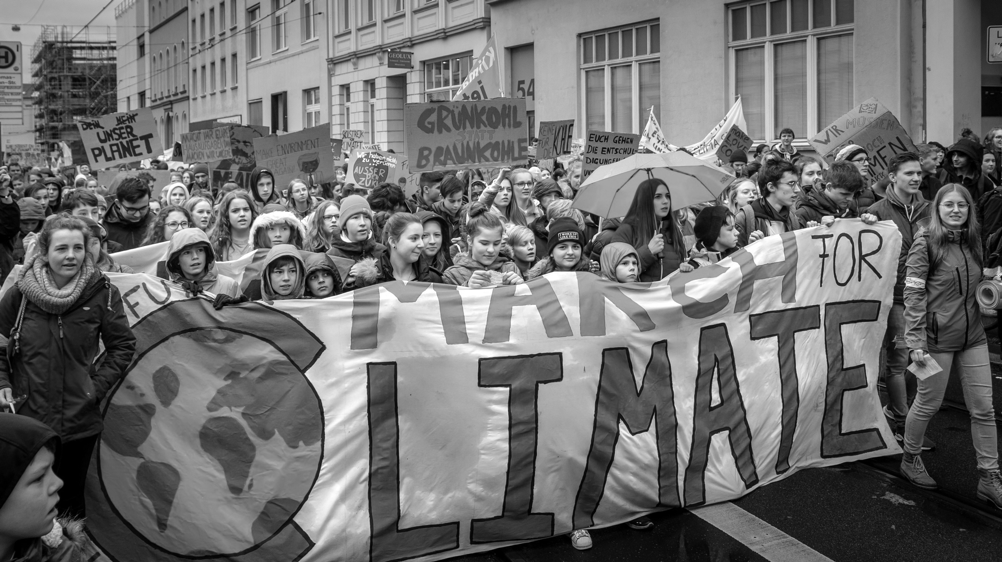
A new spectre is haunting the globalised world, the spectre of Ecofeminism. If Socialism and Communism represented the backbone of political invention between the 19th and 20th century, since the middle of the last century it has been Feminism and Ecofeminism – which on the other hand share some of the roots of the first…
-
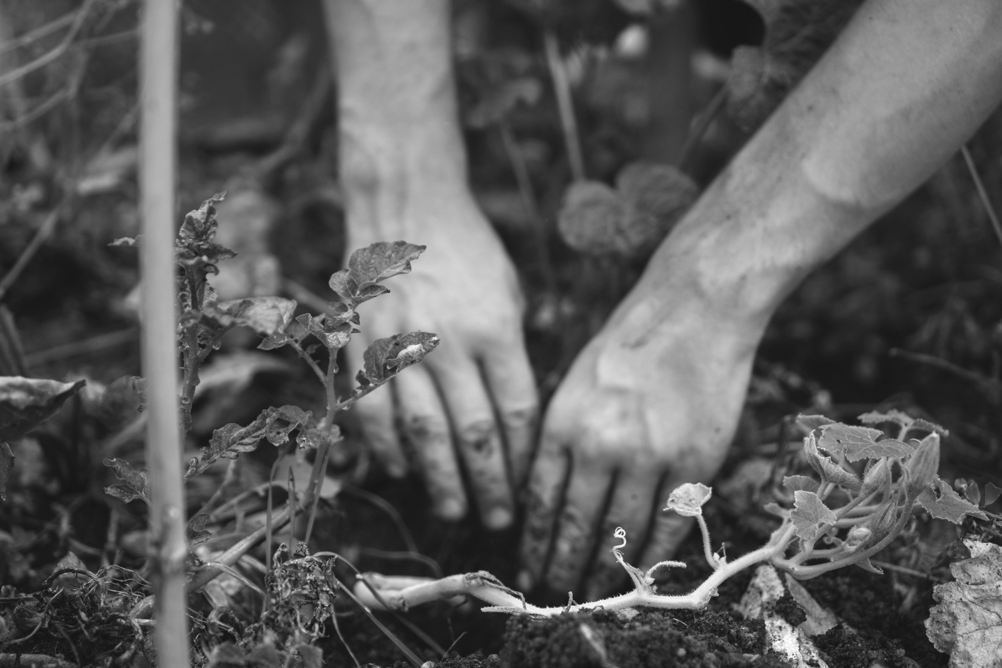
Co-authored with M. Muraca, V. Ferri, A. Piussi, G. Testi, C. Zamboni. Translated by Caterina Diotto. The original version, in italian, was published here. Caterina Diotto There are many things that strike me about the experience with the Women Farmers’ Movement in Brazil that Mariateresa has told us about in her books and in the…
-
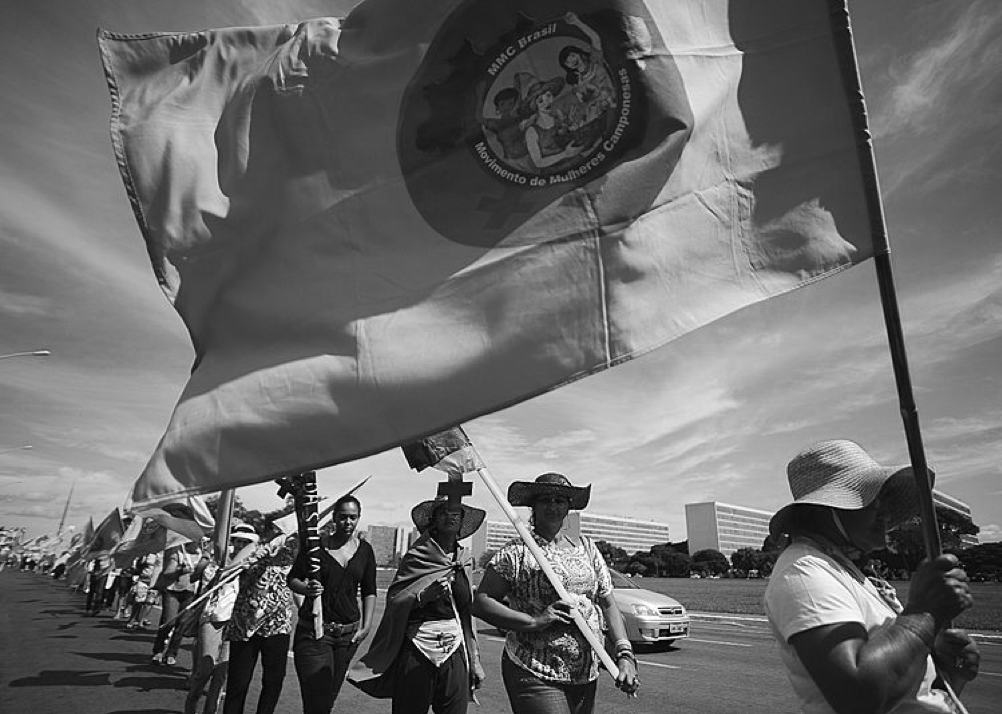
co-authored with Vittoria Ferri, Annamaria Piussi, Giulia Testi, Chiara Zamboni. Translated by Caterina Diotto. The original version, in italian, was published here. Chiara Zamboni: (introduction) It is not an objective narration that we are asking Mariateresa, it is a knowledge that she has of her experience and of the relationships that she has with people…
-
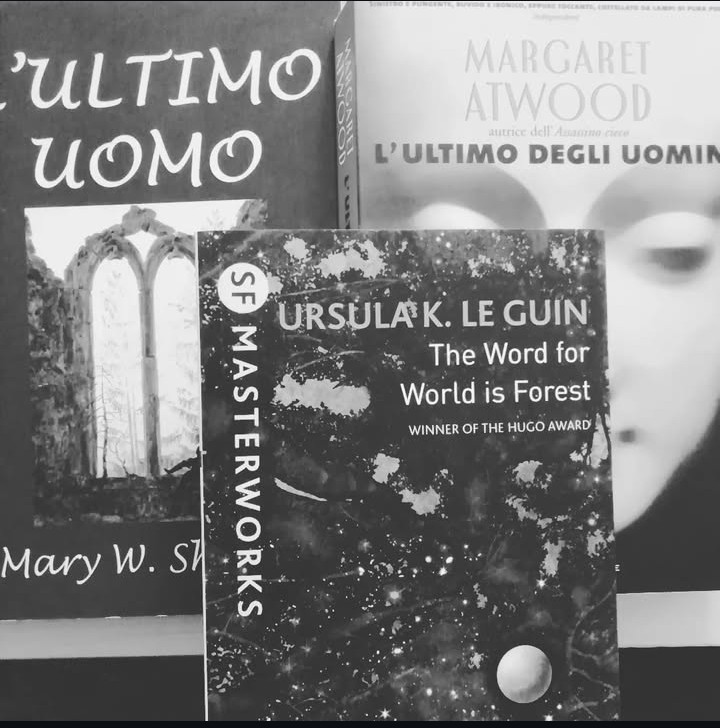
The contribution presents an ecofeminist analysis on Science Fiction and its relation to the political imaginary of a way out from the ecological crisis. Considering three novels from Mary Shelley, Margaret Atwood and Ursula K. Le Guin, it explores the possibilities and contradictions in «worlding» literary counternarratives in relation to the hegemonic representation of the…
-

What is the indispensable? What is indispensable to us? If I were to put forward a definition, I would say that it is that which, in our existence in the world, gives form and substance to the fundamental threads of meaning in our lives. Who we are, what we do with our time, what values…
-
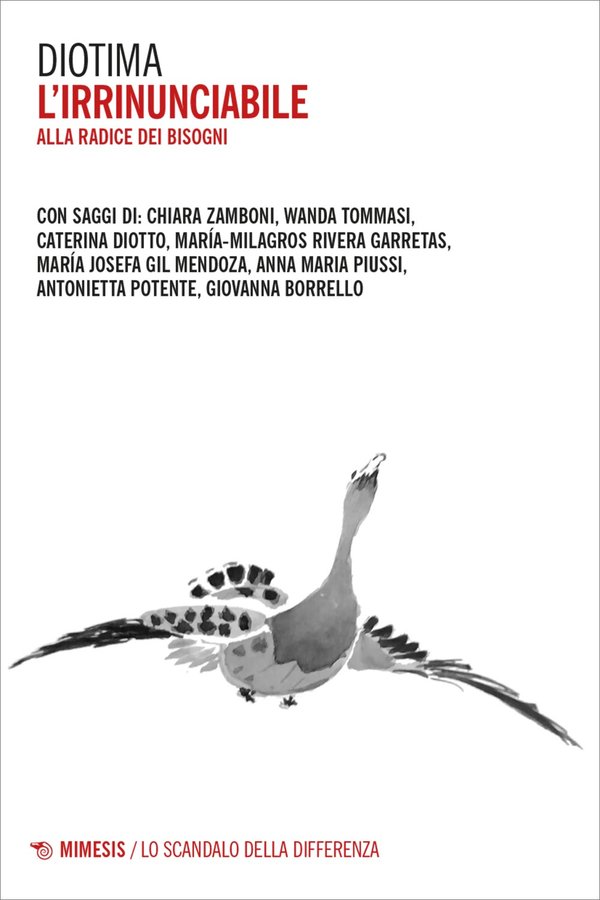
Al centro di questo libro c’è la questione dei bisogni, che oggi va pensata radicalmente in modo nuovo, sia sul piano filosofico sia su quello politico. L’esperienza della pandemia, della scarsità di beni vitali sul nostro pianeta e delle guerre ha spinto le autrici a interrogarsi sulla radice dei bisogni. L’esperienza soggettiva ha costituito il…
-
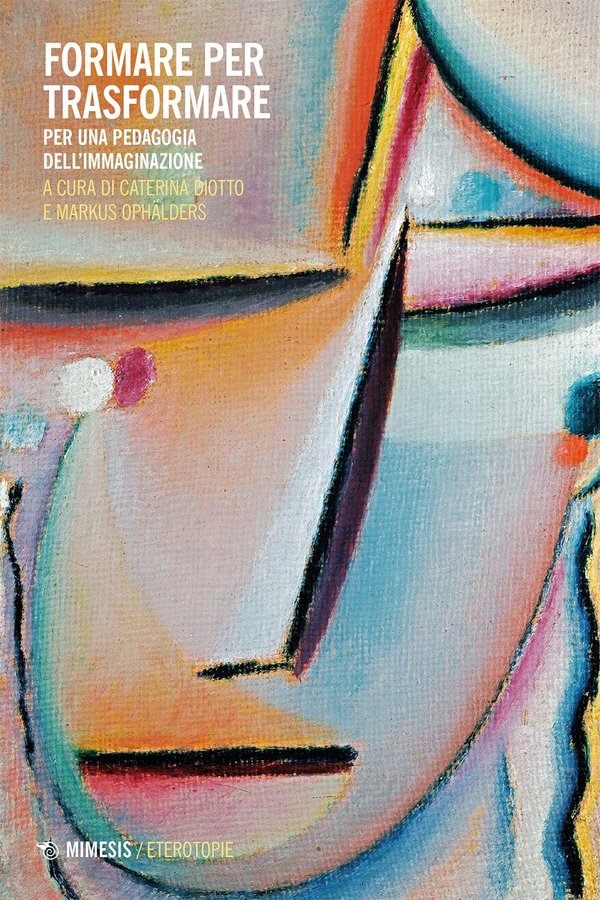
co-edited with Markus Ophälders Italo Calvino, in 1985’s “Six Memos for the Nex Millennium”, developed six proposals for surviving in the next millennium. In one of them is the idea of a possible pedagogy of the imagination. Why reflect on a pedagogy of the imagination? Why still promote it today? Starting from this question, scholars…
-
Subscribe
Subscribed
Have a WordPress.com account? Log in now.

