-

ILAe – International Lexycon of Aesthetics To be published: summer 2026 Photographer: Ksenia Makagonova on Unsplash
-
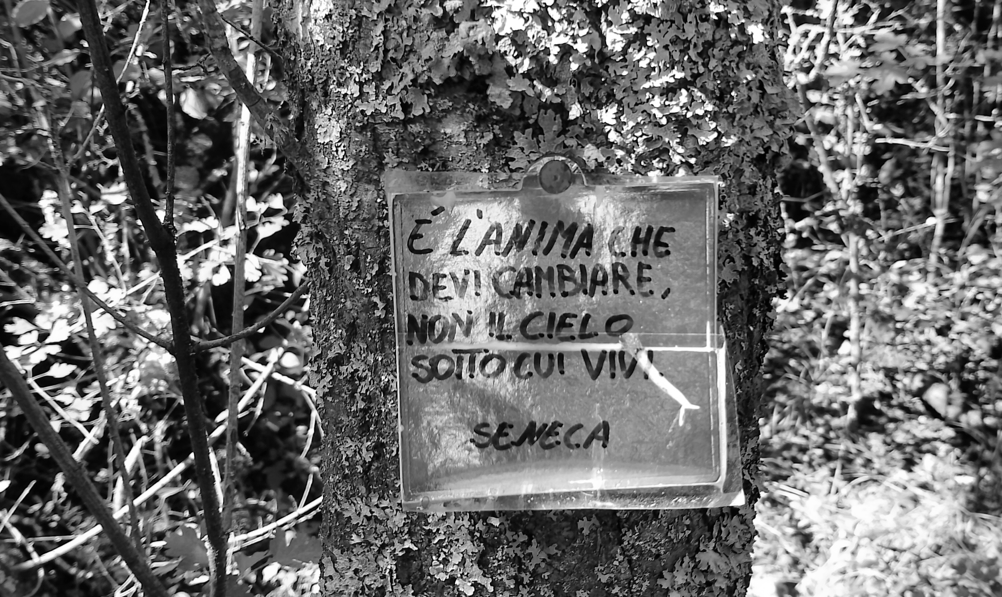
Paper to be presented at ICA2026 – 23rd International Congress of Aesthetics, “Aesthetics Today”, Prešov, Slovakia, 20-24 July 2026 Abstract The fields of ecocriticism and intermediality have seen a growing interest for aesthetic phenomena that see literary elements intertwined with natural environments. The hiking trail represents a special form of human-nature relationship, and a phenomenon…
-
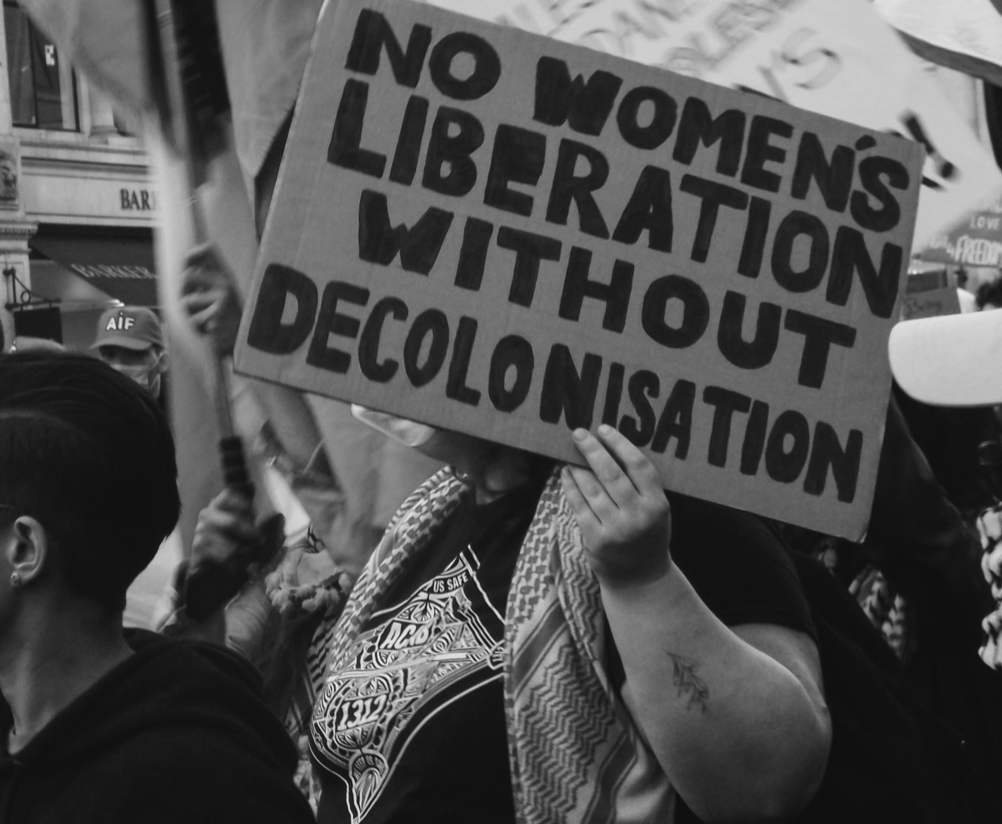
6th Annual Conference SWIP Italia “Prospettive femministe sul potere” (Feminist perspectives on Power), Pavia 13th-14th November 2025. I will bring the conference on Antimeridionalism and Femminismo Terrone presented at the Braga Meetings back in Italy. Photographer: Serra Utkum İkiz su Unsplash
-

What we are as humans is a question we will never stop answering. If a definitive answer cannot be given, we could, however, analyse how the question has changed in contemporary times, and especially how it has returned to the centre of attention in recent decades. The way in which we question ourselves today is…
-

15th Braga Meetings on Ethics and Political Philosophy 2025, 25th-27th June 2025, University of Minho, Braga, Portugal When speaking of migration, one generally assumes a separation, between a geographical-cultural place of departure and one of arrival; a temporal succession, between the definition of a border and the movement of people; a verticality, in power relations.…
-
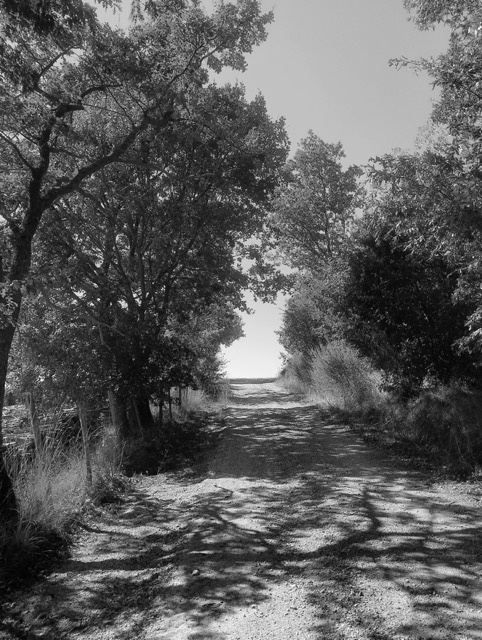
To be published in M. Maggi (edited by), Captioned Landscapes, Vernon Press, Wilmington, USA. The hiking trail represents one of the many shapes took by the relationship between the human and what in the Western cultures has been called ‘Nature’ – and which I prefer to refer to as ‘non-human’ to avoid the implicit conceptualization…
-

Invited entry for Encyclopedia of Scepticism and Jewish Tradition, edited by Giuseppe Veltri, De Gruyter Brill, Berlin, Germany. Expected publication: 2026 Photographer: Caterina Diotto, my library
-
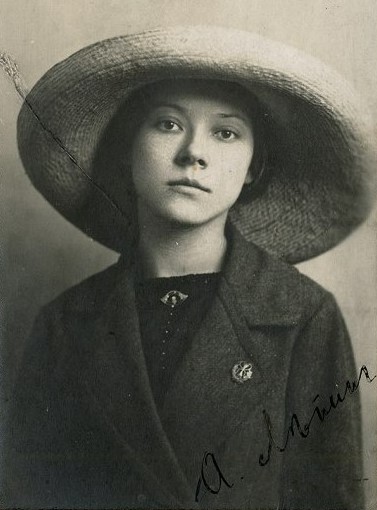
International Walter Benjamin Conference 2025, “Southern Benjamin. Mourning, Play, Revolution”, International Walter Benjamin Society, Società italiana Walter Benjamin, 17th-20th September 2025. Benjamin’s relationship with women colours his philosophy from his earliest writings to the end of his life, reflected in the many – often crucial and usually subversive – roles that different images of the…
-
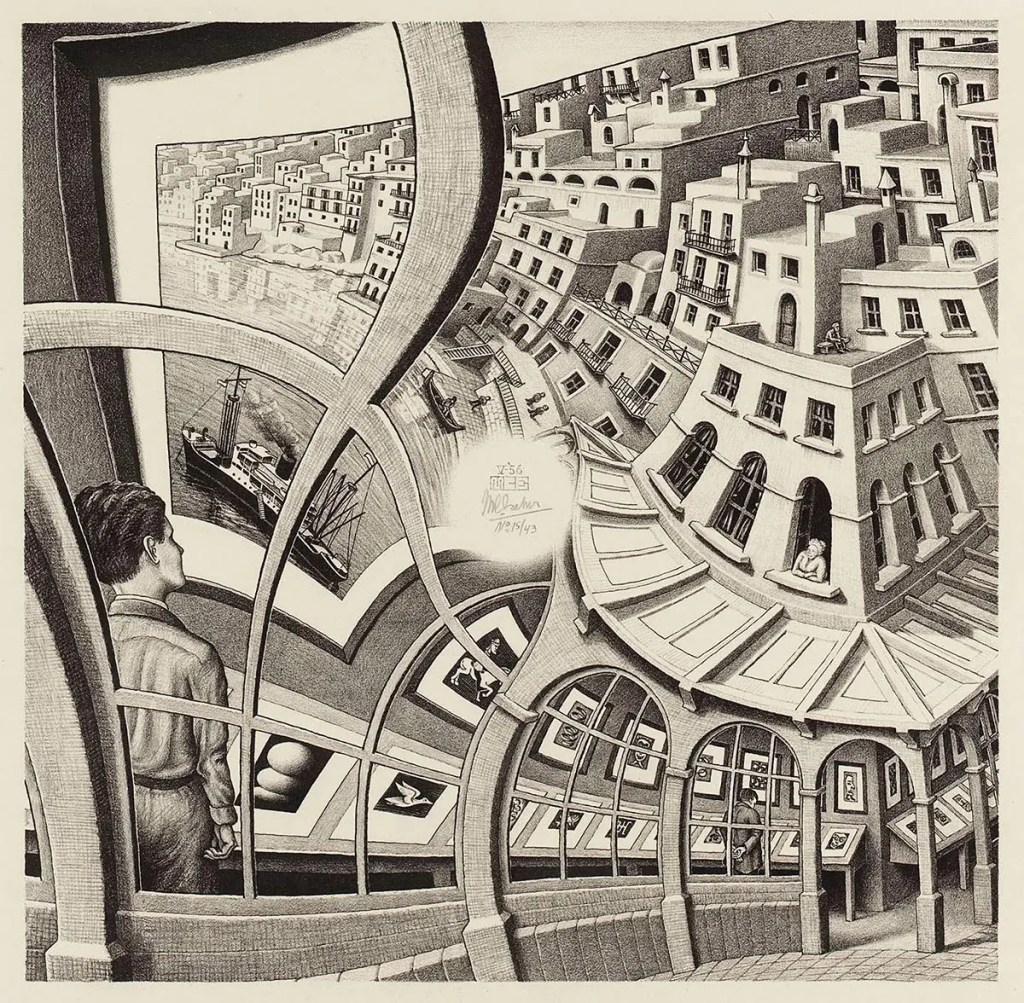
Theory and Criticism of Architecture and the Postmodern City DIA – Department of Engineering and Architecture, Università degli Studi di Trieste, Italy The postmodern city was designed by capitalism. In the contemporary world, we seem to find new ways of commodifying its inhabitants, its structures, and its material and cultural resources. In the era of…
-

Co-authored with Vittoria Ferri, Mariateresa Muraca, Chiara Zamboni, Giulia Testi and Anna Maria Piussi. Translated by Caterina Diotto. This article was originally published in italian here. We introduce ourselves to Ivone Gebara. We are Mariateresa Muraca, Chiara Zamboni, Caterina Diotto, Giulia Testi and Anna Maria Piussi. Vittoria Ferri cannot be here, but she is participating…
-
Subscribe
Subscribed
Already have a WordPress.com account? Log in now.
 Caterina Diotto