articolo
-
ILAe – International Lexycon of Aesthetics A critical practice that investigates representations of non-human entities and their relationships with humans in literature. The term is commonly used without “literary” in all the aforementioned five languages, unless the context requires the field of study to be specified. The prefix “eco” derives from “ecology”, understood both as…
-
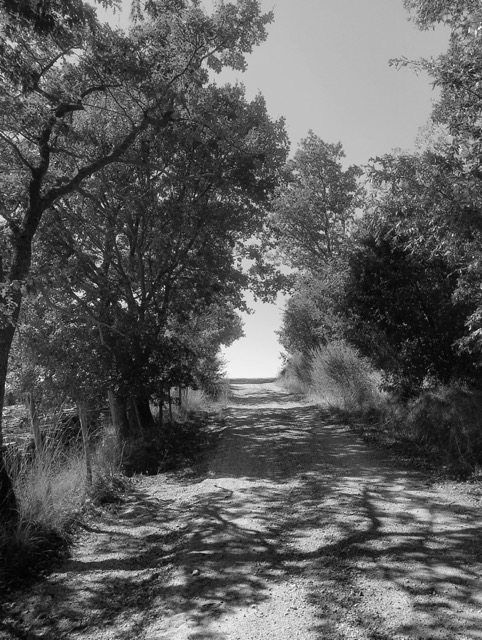
The hiking trail represents one of the many shapes took by the relationship between the human and what in the Western cultures has been called ‘Nature’ – and which I prefer to refer to as ‘non-human’ to avoid the implicit conceptualization outlined by Philippe Descola in Beyond Nature and Culture[1] – during the centuries. A…
-
What we are as humans is a question we will never stop answering. If a definitive answer cannot be given, we could, however, analyse how the question has changed in contemporary times, and especially how it has returned to the centre of attention in recent decades. The way in which we question ourselves today is…
-
Co-authored with Vittoria Ferri, Mariateresa Muraca, Chiara Zamboni, Giulia Testi and Anna Maria Piussi. Translated by Caterina Diotto. This article was originally published in italian here. We introduce ourselves to Ivone Gebara. We are Mariateresa Muraca, Chiara Zamboni, Caterina Diotto, Giulia Testi and Anna Maria Piussi. Vittoria Ferri cannot be here, but she is participating…
-

Denmark’s policies toward Greenlandic families and children from the 1800s to the present day reflect the broader history of colonialism, cultural assimilation, and eventual decolonization. One of the most distressing aspects of this history is the forced removal of Inuit children from their families, a practice that, despite the official recognition of the Inuit culture…
-

How is the relationship between beauty and the power structures in which we participate articulated? What are its typical mechanisms, at least for what looks at the West and, in particular, Italy? What is happening today in the Digital Age in the narratives on the bodies of girls, boys, of non-binary or trans people, of…
-
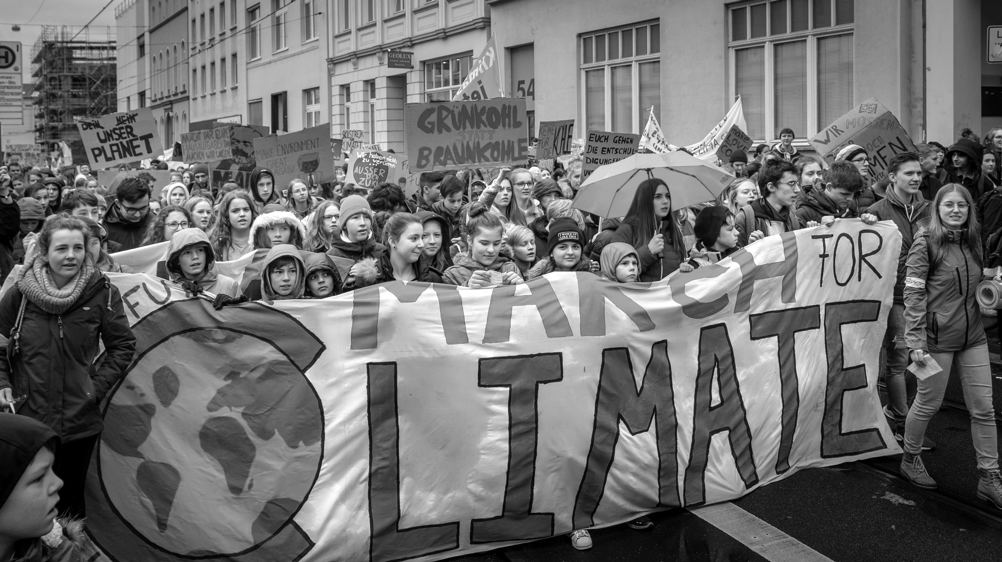
A new spectre is haunting the globalised world, the spectre of Ecofeminism. If Socialism and Communism represented the backbone of political invention between the 19th and 20th century, since the middle of the last century it has been Feminism and Ecofeminism – which on the other hand share some of the roots of the first…
-
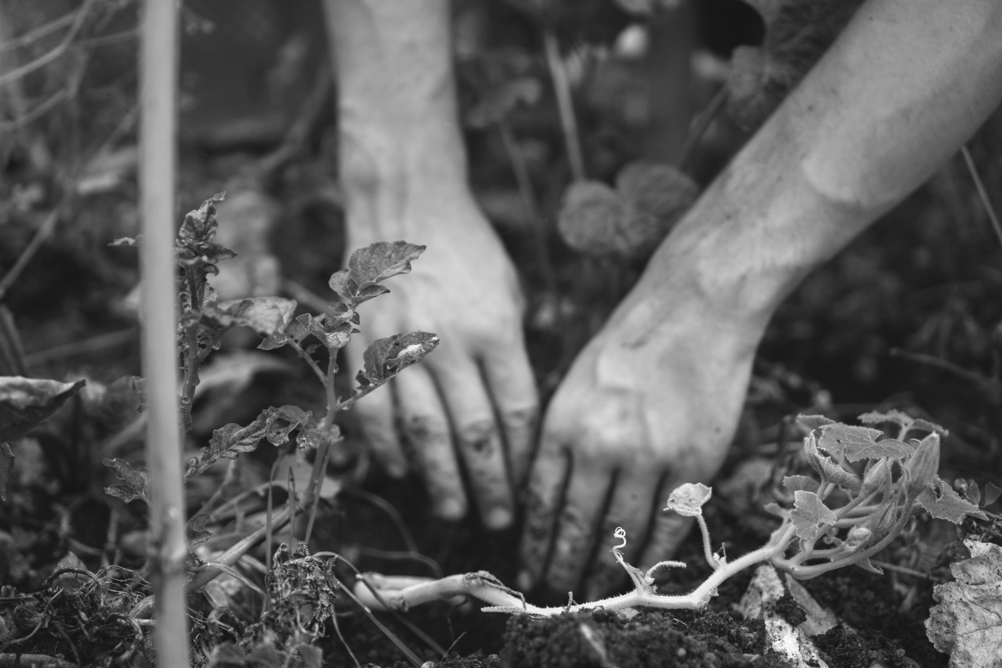
Co-authored with M. Muraca, V. Ferri, A. Piussi, G. Testi, C. Zamboni. Translated by Caterina Diotto. The original version, in italian, was published here. Caterina Diotto There are many things that strike me about the experience with the Women Farmers’ Movement in Brazil that Mariateresa has told us about in her books and in the…
-
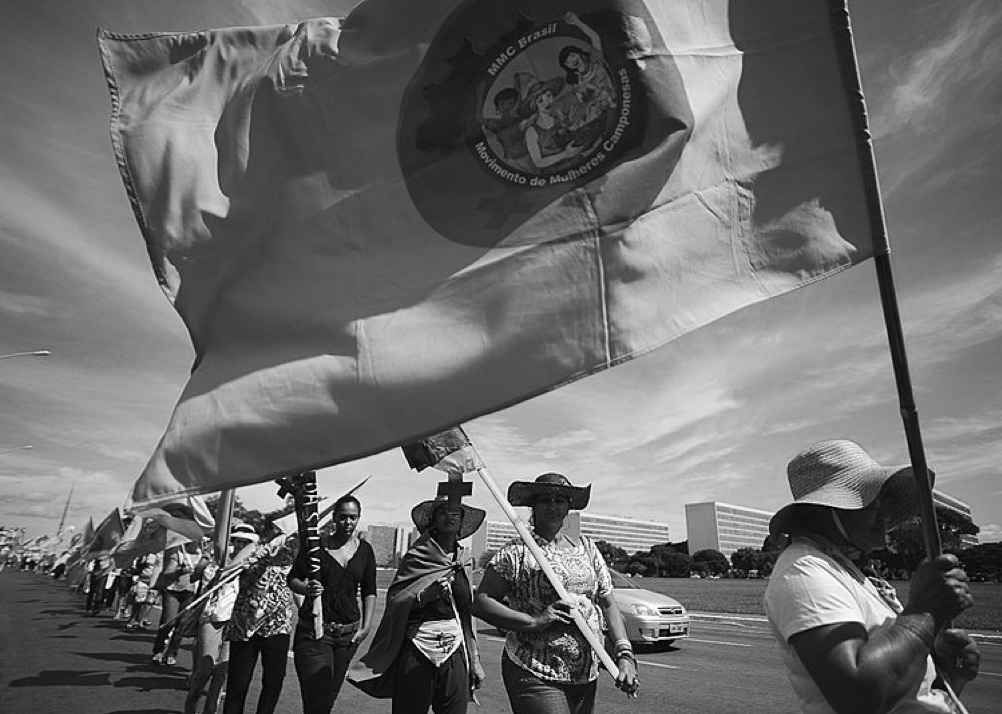
co-authored with Vittoria Ferri, Annamaria Piussi, Giulia Testi, Chiara Zamboni. Translated by Caterina Diotto. The original version, in italian, was published here. Chiara Zamboni: (introduction) It is not an objective narration that we are asking Mariateresa, it is a knowledge that she has of her experience and of the relationships that she has with people…
-
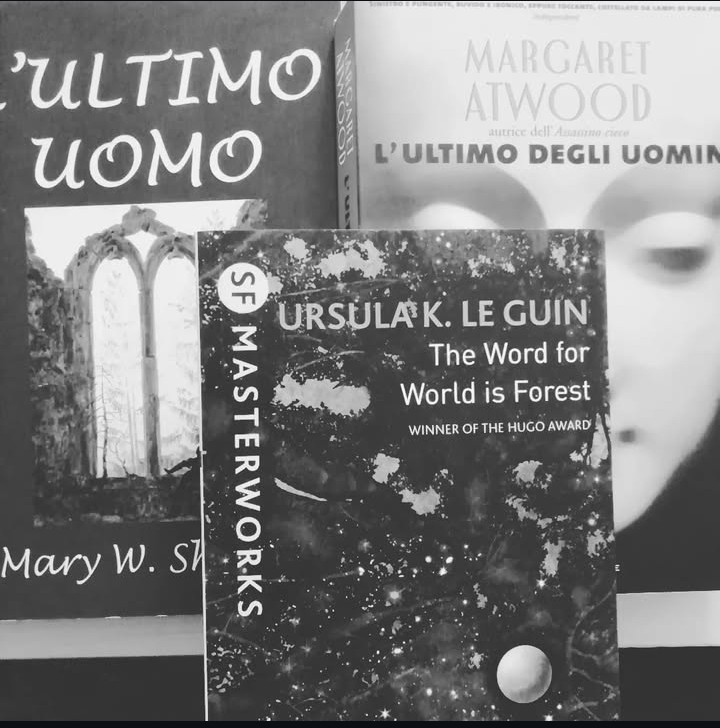
The contribution presents an ecofeminist analysis on Science Fiction and its relation to the political imaginary of a way out from the ecological crisis. Considering three novels from Mary Shelley, Margaret Atwood and Ursula K. Le Guin, it explores the possibilities and contradictions in «worlding» literary counternarratives in relation to the hegemonic representation of the…

